
Most founders spend weeks designing their investor pitch deck. They obsess over fonts, colour schemes, and slide order. They polish every word until it feels perfect. And then they walk into a room full of investors and wonder why the conversation never quite lands the way they expected.
The problem is rarely the design. It is almost always the story. A great investor pitch deck is not a brochure for your business. It is a carefully constructed argument that answers the questions every investor is already asking before you even open your mouth. Get that argument right, and the slides almost do not matter. Get it wrong, and no amount of beautiful design will save you.
I have reviewed hundreds of pitch decks over the years. The ones that raise money share the same fundamental qualities. The ones that don’t tend to make the same predictable mistakes. This article breaks down what separates the two.
What is an investor pitch deck?
An investor pitch deck is a presentation, typically between ten and fifteen slides, that a founder uses to communicate the investment opportunity to potential investors. It covers the problem being solved, the market opportunity, the business model, the traction achieved so far, the team behind it, and the financial ask.
It is not a business plan. It is not a detailed financial model. It is the story of your business told in the most compelling and concise way possible, designed to get an investor interested enough to ask for a follow-up meeting.
The best pitch deck examples are not the most complex ones. They are the clearest ones. Investors see dozens of decks every week. The founders who cut through the noise are those who make the opportunity impossible to ignore.

What every investor is really asking
When an investor looks at your deck, they are not just evaluating the business idea. They are running through a mental checklist of questions. Your deck needs to answer all of them, whether you realise it or not.
Is the problem real and painful enough that people will pay to have it solved? Is the market large enough to justify the investment? Does this team have what it takes to execute? Is there already evidence that customers want this? And finally, can I see a path that delivers a return on my investment?
Every slide in your deck should answer at least one of those questions. If a slide does not serve that purpose, it should not be in the deck.
The core structure of a strong pitch deck
The structure of your investor pitch deck matters more than most founders appreciate. A strong opening hook is essential. Investors decide within the first two or three slides whether they want to keep reading. If those slides are vague or unclear, you have already lost them.
Start with the problem. Not a generic observation about the industry, but a specific, vivid description of the pain your customer is experiencing right now. Make the investor feel that pain before you introduce your solution.
Then introduce your solution clearly and simply. One sentence should be enough. If you cannot describe what your business does in a single clear sentence, that is a sign the proposition needs more work before you pitch.
After that, build the case with your market size, traction, business model, team credentials, financials, and your ask. Each section should flow naturally into the next. Investors should feel they are following a logical journey, not jumping between disconnected facts.
In my book, Investable Entrepreneur, I outline the five-act structure that I’ve developed and honed over many years. This structure ensures your investor pitch delivers content in a rhythm that keeps investors engaged. The result is decks that achieve a 6x higher engagement rate.
The most common pitch deck mistakes
Looking at pitch deck examples from founders who have raised successfully versus those who have not, the same mistakes appear time and again on the unsuccessful side.
The first is burying the business model. Investors need to understand how you make money early in the deck. If they get towards the end and are still unclear on the revenue model, they will have already mentally moved on.
The second is weak or missing traction. Even at the pre-seed stage, investors want to see evidence that the market wants what you are building. A waitlist of five hundred people, a letter of intent from a major client, or three months of consistent revenue growth tells a more powerful story than any slide about your addressable market.
The third is an unclear ask. Many founders present a beautifully crafted deck and then end with a vague statement about raising capital. Investors want to know exactly how much you are raising, what you will use it for, and what milestones that funding will allow you to hit.
What a great pitch deck example looks like in practice
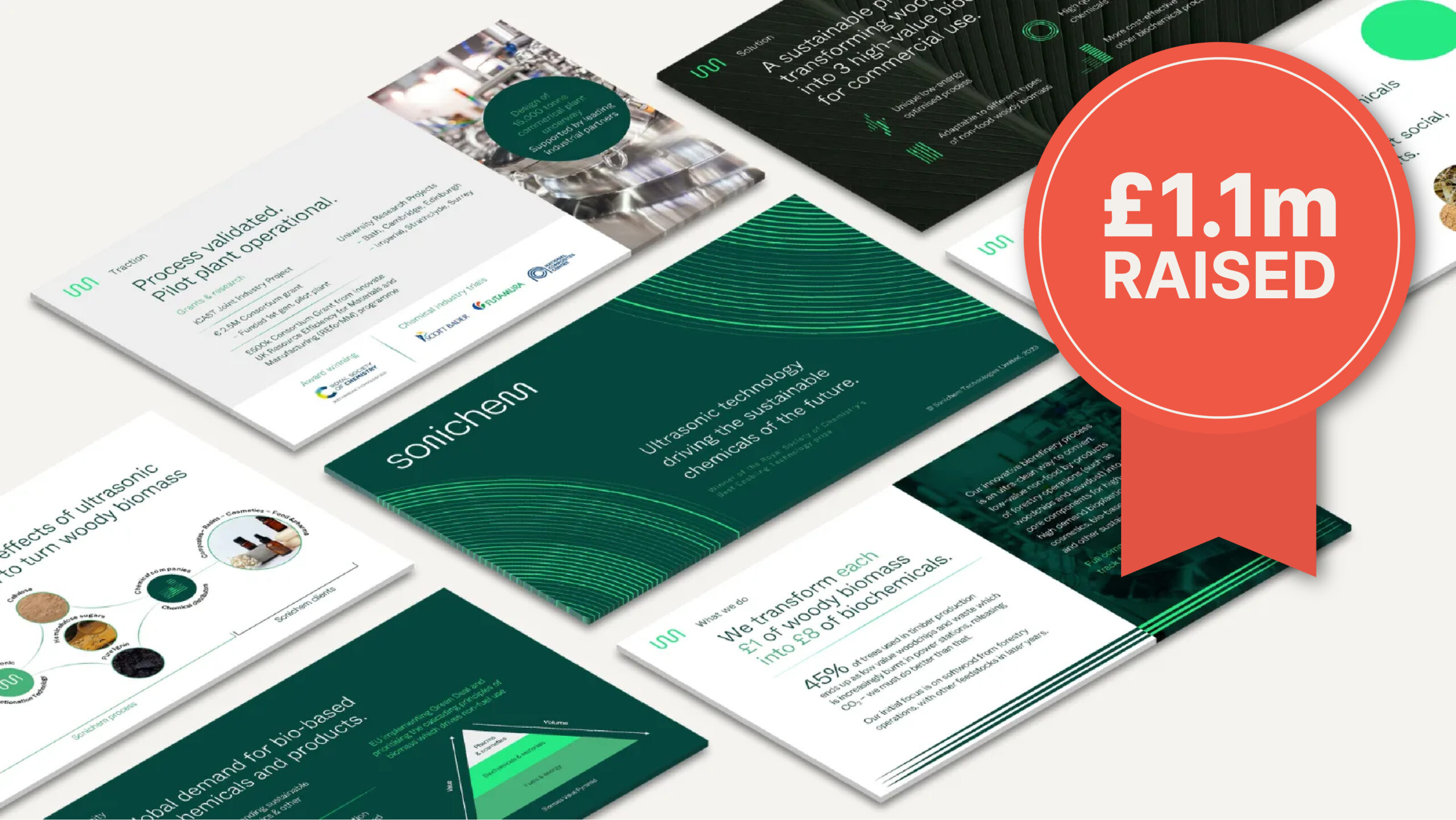
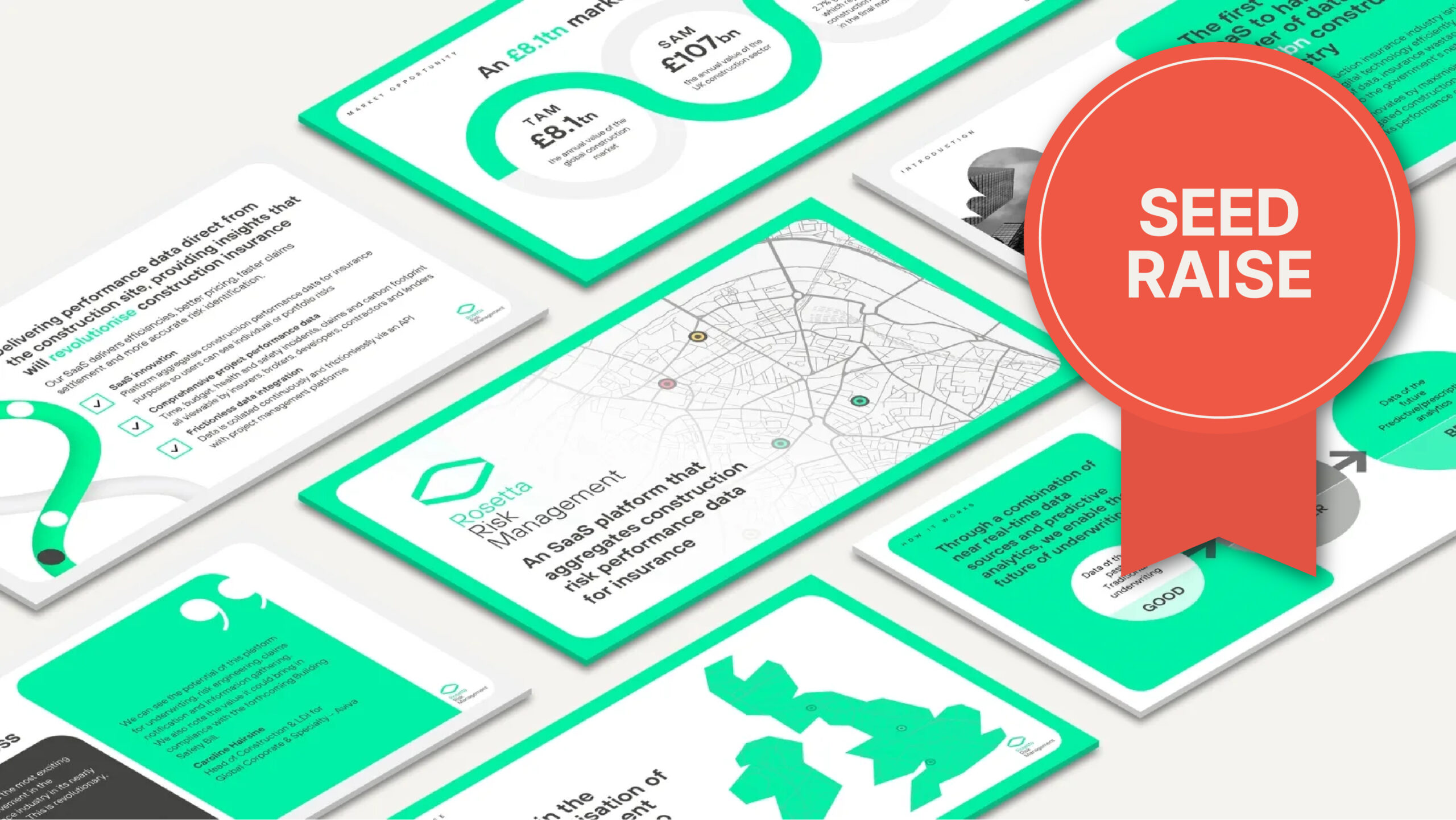
One founder I worked with had a strong product but a deck that was full of industry jargon and technical detail. Investors were struggling to connect with the opportunity. We stripped it back entirely. The problem slide became a single sentence describing the exact moment a customer felt the pain. The solution slide became one clear line. The traction slide showed three compelling data points rather than twelve.
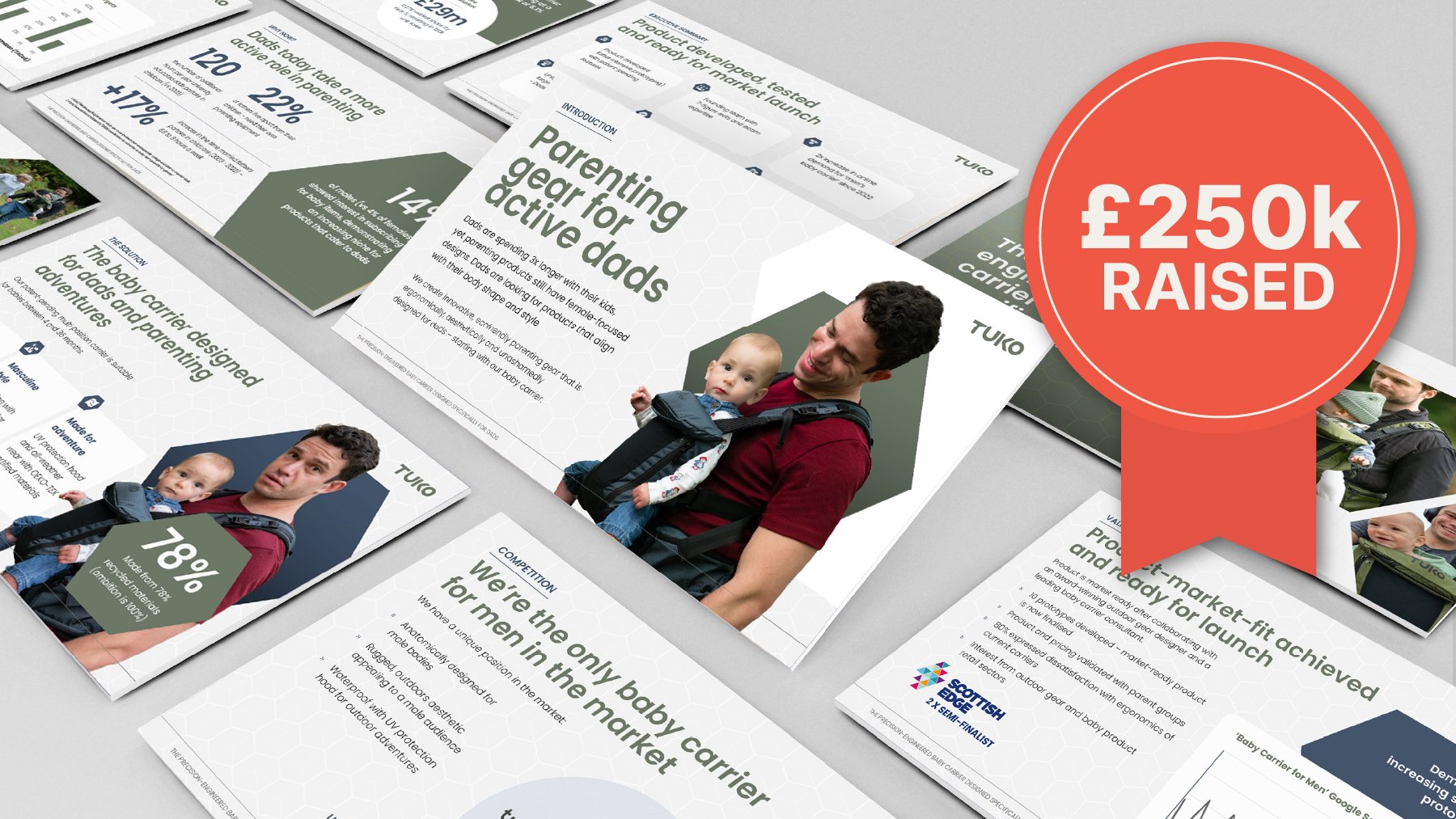
The result was a deck that investors could understand in sixty seconds and feel confident enough in to ask for a meeting. That is the standard to aim for. Not beautiful. Not clever. Clear.
When to get professional help with your deck
If you have pitched more than five times without getting to a second meeting, the deck is almost certainly part of the problem. Many founders wait too long before seeking outside perspective. They are too close to their own business to see where the story breaks down.
Working with an experienced pitch deck consultant gives you the outside view that is almost impossible to give yourself. A good consultant will challenge your assumptions, tighten your narrative, and ensure your deck answers the questions investors are asking rather than the questions you wish they were asking.
The most successful rounds I have been involved with were not the ones where the founder had the best idea. They were the ones where the founder told the clearest story. That clarity starts with getting your investor pitch deck right before you walk into a single meeting.
If you are preparing to raise and want to make sure your deck is genuinely investor-ready, explore my pitch deck consulting services and take the first step towards a fundraise that works.