Tag: startup advisory services

  • AI-Generated Pitch Decks: What Investors Really Look For

    AI-Generated Pitch Decks: What Investors Really Look For

    AI-Generated Pitch Decks: What Investors Really Look For

    James Church

    WRITTEN BY

    James Church

    Author, Investable Entrepreneur

    James is an award-winning business advisor and best-selling author. His clients have raised over £250m in early-stage funding. 

    AI-Generated Pitch Decks: Why Investors Want More

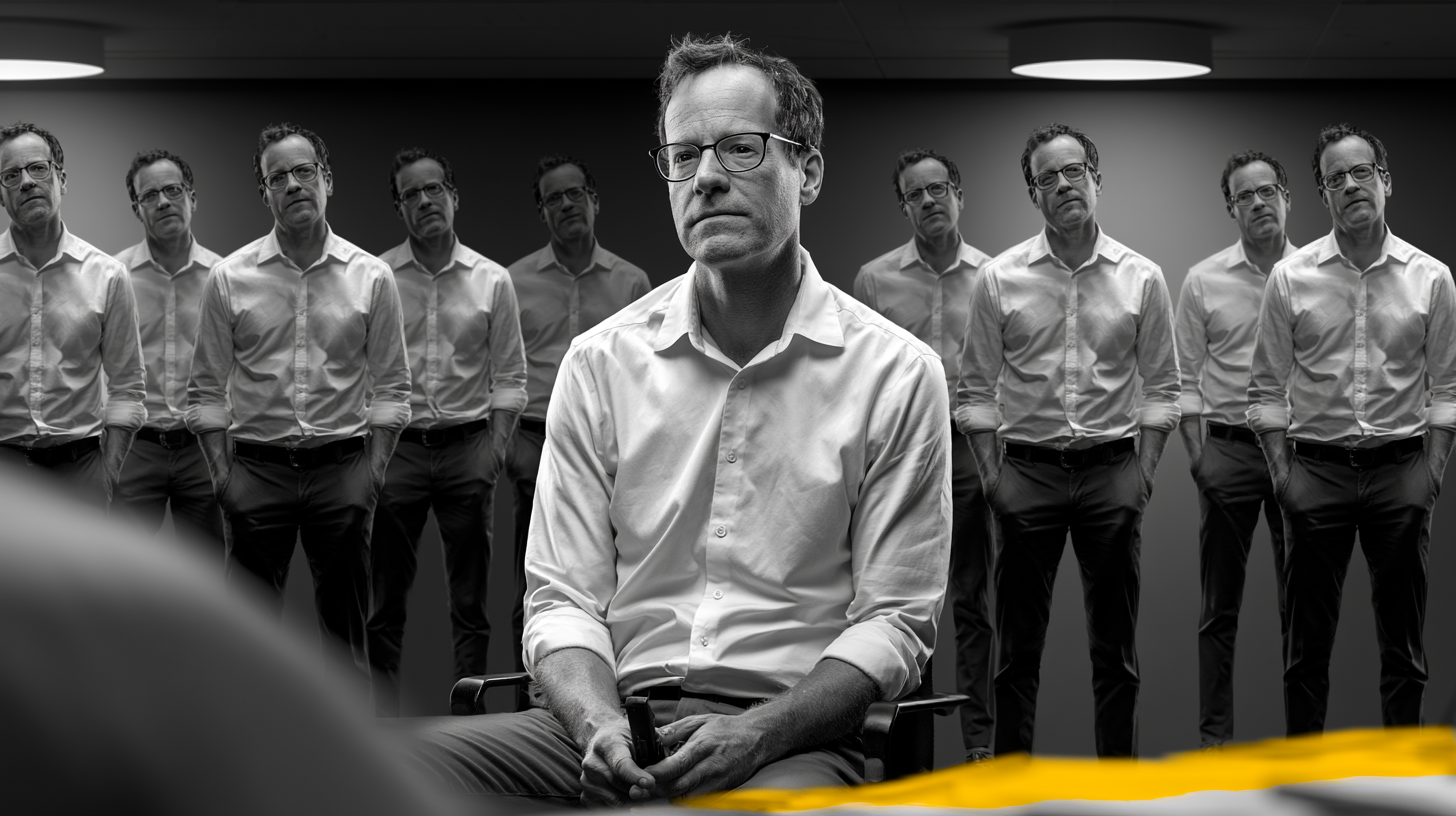
    I’ll keep saying it until I’m blue in the face: AI is the great leveller. Not because it makes everyone better, but because it pulls everyone towards the middle.

    That is a serious problem when it comes to fundraising. Investors do not fund the middle. They look for conviction, clarity, difference and judgement. When every pitch deck starts to look the same, read the same and make the same strategic claims, the founder begins to disappear from the story.

    What Are AI-Generated Pitch Decks?

    AI-generated pitch decks are investor presentations created or heavily assisted by artificial intelligence. AI can help founders structure slides, improve wording, create summaries and organise information.

    The problem starts when AI does more than support the process and begins to replace the founder’s thinking.

    A pitch deck should not simply communicate what a company does. It should show why this founder understands the problem, why the opportunity matters and why they are the right person to build the business.

    That is where generic AI-generated pitch decks can lose their value.

    The Signal Is Disappearing

    A pitch deck was never just a set of slides. It was evidence of how a founder thinks, how clearly they communicate and whether they can persuade customers, employees and investors to believe in something before it is obvious.

    AI has weakened this signal significantly.

    The language is cleaner. The structure is neater. The narrative often feels more professional. But that does not automatically make the pitch more persuasive.

    In many cases, it can do the opposite.

    When hundreds of founders have access to the same AI tools, similar prompts can produce similar language, structures and strategic claims. The result is a growing number of pitch decks that are technically polished but difficult to distinguish.

    Investors Are Already Adapting

    Founders often assume that using AI makes their pitch deck stronger because it sounds more polished. But investors are seeing that same polish everywhere.

    They therefore have to look beyond presentation quality and search for stronger signals.

    Jay Kapoor, General Partner at VSC Ventures, put it well:

    “If you can’t be bothered to differentiate your deck, how can you be trusted to differentiate your company?”

    Simon Blakey, Angel Investor and VC at Playfair, also said:

    “AI-generated decks look remarkably alike… the evidence I used to rely on to decide 1st meeting has stopped carrying any signal.”

    When everyone can produce the same level of acceptable output, acceptable output stops being impressive.

    Investors then have to look harder for what cannot easily be templated:

    • Genuine market insight

    • Founder judgement

    • Customer understanding

    • Original thinking

    • Evidence of traction

    • A clear and defensible point of view

    For more on the factors investors assess in a fundraising presentation, see our guide on what investors look for in a pitch.

    Can AI Create Investor Conviction?

    No. AI can help communicate conviction, but it cannot create genuine founder conviction.

    The biggest mistake founders make is believing that AI can communicate their vision better than they can.

    AI can improve wording, organise ideas, test the logic of an argument and identify gaps. But it cannot replace the experiences and decisions that give a founder’s story meaning.

    Jamal K, Partner at Stellar Ventures, said:

    “You cannot polish [AI] slop into conviction… investors spot the difference in the first three slides.”

    Conviction comes from the decisions you have made.

    It comes from knowing why you chose this problem, why it matters to you, what you have learned from customers and why you are willing to bet your career on solving it.

    AI cannot manufacture those experiences.

    What Should Founders Put in a Pitch Deck?

    Your pitch deck should reveal how you think rather than simply demonstrate how well you can use AI.

    A strong investor presentation should make clear:

    1. What problem are you solving?
      Explain the problem in specific terms and show evidence that it exists.

    2. Why does the problem matter now?
      Give investors a reason to believe the timing creates an opportunity.

    3. Why is your solution different?
      Explain what you do differently rather than relying on generic claims.

    4. What have you learned from customers?
      Real customer evidence is harder to replicate than polished AI language.

    5. Why are you the right founder?
      Your experience, insight and decisions should form part of the investment story.

    6. Why can this become a valuable business?
      Explain the market opportunity, business model and path to growth clearly.

    The more specific these answers are, the harder it becomes for your pitch to sound like everyone else’s.

    Your Job Is Not to Sound Impressive

    Too many founders optimise their pitch deck for professionalism.

    But your job is not simply to sound impressive.

    Your job is to make investors understand why you are the person to build this company.

    That means your deck should reveal how you think. It should contain judgement, trade-offs, evidence and a clear view of the market.

    A rough but specific pitch deck can be more persuasive than a polished but generic one.

    Investors can work with rough edges.

    They cannot work with a founder who has outsourced their point of view.

    If you need professional guidance on developing your presentation, our investor pitch deck consultant service can help founders develop a clearer and more investor-focused pitch.

    How Should Founders Use AI for Pitch Decks?

    The answer is not to stop using AI.

    AI can be extremely useful when it supports the founder rather than replacing them.

    Use AI to:

    • Improve clarity and grammar

    • Challenge your assumptions

    • Identify gaps in your argument

    • Simplify complicated explanations

    • Help structure information

    • Test whether your story is easy to understand

    • Suggest questions an investor might ask

    But keep the important thinking yours.

    Write the core story yourself. Provide the real customer evidence. Make the strategic decisions. Explain the market from your own experience.

    Then use AI as an editor, challenger and thinking tool.

    Use AI, But Do Not Hide Behind It

    I am not arguing against AI.

    Used well, AI can sharpen your thinking, test your logic and help you explain complex ideas more clearly.

    Here is my belief:

    Use AI to support your thinking, not replace it.

    Do not ask it to create its best impression of a passionate founder and then expect investors to feel that passion themselves.

    In a market where everyone has access to similar tools, originality becomes more valuable.

    The founders who stand out will be the ones whose thinking, judgement and passion still come through in the slides.

    Frequently Asked Questions About AI Pitch Decks

    Are AI-generated pitch decks a problem for fundraising?

    Not necessarily. The issue is not using AI itself. The problem is relying on generic AI-generated content that makes the founder’s thinking difficult to distinguish from everyone else’s.

    Should founders use AI to create a pitch deck?

    Founders can use AI to support pitch deck development. It can help with structure, clarity, editing and testing assumptions. However, the core investment story, evidence and strategic judgement should come from the founder.

    Do investors know when a pitch deck is AI-generated?

    Investors may not always know exactly how a deck was created. However, generic language, repetitive structures and unsupported claims can make a presentation less distinctive.

    What makes a pitch deck stand out?

    Specific customer evidence, clear market insight, strong founder judgement, a differentiated business model and a convincing explanation of why the opportunity matters can make a pitch more distinctive.

    Can AI create conviction in a pitch deck?

    AI can help communicate an existing point of view, but genuine conviction comes from the founder’s knowledge, experience, decisions and belief in the opportunity.

    The Founder Still Matters

    If nothing else, remember this:

    Nobody invests in a prompt. They invest in the person behind it.

    AI can make a pitch deck cleaner.

    It can make the writing sharper.

    It can make the structure more logical.

    But it should never make the founder disappear.

    When the technology becomes available to everyone, the advantage shifts back to what cannot be copied so easily: how you think, what you know, what you have learned and what you are prepared to bet on.

    That is what investors need to see.

  • Is Your Startup Ready to Raise Investment?

    Is Your Startup Ready to Raise Investment?

    How to Know If Your Startup Is Ready to Raise Investment

    James Church

    WRITTEN BY

    James Church

    Author, Investable Entrepreneur

    James is an award-winning business advisor and best-selling author. His clients have raised over £250m in early-stage funding. 

    Many founders believe they are ready to raise investment as soon as they have a great idea, a pitch deck, or a working product. Investors often see things differently.

    Every year, thousands of startups seek funding, but only a small percentage successfully secure investment. The reason is not always the quality of the idea. More often, it comes down to preparation.

    Being investor-ready means demonstrating that your business has the foundations, strategy, and growth potential investors are looking for.

    This is why many founders work through an investor readiness program before launching a fundraising campaign.

    What Does Investor-Ready Actually Mean?

    Investor readiness is the point at which a startup can confidently present itself as a credible investment opportunity. It goes beyond having a business idea or product.

    Investors want evidence that the founder understands the market, has a realistic growth strategy, and can effectively use investment capital to create value.

    An investor-ready business can clearly communicate:

    • The problem it solves
    • Its target market
    • Revenue model
    • Growth strategy
    • Funding requirements
    • Expected return potential


    Without these elements, attracting investment becomes significantly more difficult.

    Why Many Startups Seek Funding Too Early

    One of the most common fundraising mistakes is approaching investors before the business is fully prepared. Founders often focus on the need for capital rather than the readiness of the opportunity.

    This can lead to:

    • Rejected pitches
    • Loss of investor confidence
    • Poor valuation outcomes
    • Missed fundraising opportunities


    Unfortunately, investors rarely give second chances to opportunities that appear unprepared.
    Building investor readiness before fundraising helps avoid these challenges.

    Signs Your Startup May Be Ready for Investment

    While every business is different, investors typically look for several key indicators.

    You Have Validated a Real Problem

    Investors want proof that customers genuinely need your solution. Market validation may come through:

    • Customer interviews
    • Pilot projects
    • Early sales
    • User growth
    • Industry feedback


    Validation reduces risk and strengthens your investment case.

    You Understand Your Market

    A strong founder understands the competitive landscape and can clearly explain why their business is positioned to succeed. Investors often ask:

    • How large is the market?
    • Who are the competitors?
    • What makes this solution different?


    Being able to answer these questions confidently demonstrates market awareness.

    You Have a Clear Growth Plan

    Investors are funding future growth, not current operations. Your business should have a realistic plan for:

    • Customer acquisition
    • Revenue growth
    • Team expansion
    • Product development
    • Market penetration


    The clearer the roadmap, the easier it becomes for investors to understand the opportunity.

    You Know How Much Funding You Need

    Many founders struggle to justify their funding requirements. Investors expect founders to explain:

    • How much capital is needed
    • How the funds will be used
    • What milestones will be achieved
    • How the investment supports growth


    A well-defined funding strategy signals professionalism and preparation.

    How an Investor Readiness Program Helps

    An investor readiness program is designed to prepare founders before they begin fundraising.

    Rather than immediately seeking investors, founders focus on strengthening the key areas investors evaluate during due diligence. Typical areas include:

    Investment Proposition Development

    Ensuring the business presents a compelling and credible investment opportunity.

    Fundraising Strategy

    Creating a structured approach to identifying and approaching suitable investors.

    Financial Planning

    Developing realistic forecasts, growth assumptions, and funding requirements.

    Pitch Deck Preparation

    Building investor-focused materials that communicate the opportunity clearly.

    Founder Readiness

    Helping founders confidently answer investor questions and navigate fundraising conversations.

    The result is a stronger, more investable business.

    The Role of a Startup Fundraising Consultant

    Many founders benefit from working with a startup fundraising consultant during the preparation phase. A consultant helps identify weaknesses before investors do.

    Their role often includes:

    • Reviewing fundraising strategy
    • Improving investor materials
    • Strengthening financial planning
    • Refining investor messaging
    • Supporting fundraising execution


    Rather than simply introducing investors, experienced consultants help founders become genuinely investment-ready.

    How Startup Advisory Services Support Long-Term Growth

    Investment readiness is not only about securing funding. It is also about building a sustainable business.

    This is where startup advisory services can provide significant value. Advisors often help founders with:

    • Strategic planning
    • Business modelling
    • Financial decision-making
    • Scaling operations
    • Growth strategy


    These services support both fundraising success and long-term business performance.

    Questions to Ask Before Raising Investment

    Before approaching investors, founders should ask themselves:

    • Can I clearly explain the opportunity?
    • Do I understand my market and competitors?
    • Have I validated customer demand?
    • Do I know how much funding I need?
    • Can I demonstrate a realistic growth strategy?
    • Are my financial projections credible?


    If the answer to any of these questions is unclear, additional preparation may be needed.

    Preparing for Fundraising Success

    Raising investment is not simply about finding investors. It is about presenting a business that investors want to back.

    Founders who invest time in preparation consistently achieve better fundraising outcomes than those who rush into investor conversations.

    Whether through an investor readiness program, support from a startup fundraising consultant, or broader startup advisory services, becoming investment-ready can significantly improve your chances of attracting the right investors and securing funding.

    FAQ: Investor Readiness Program

    1. What is an investor readiness program?

    An investor readiness program helps founders prepare for fundraising by improving strategy, financial planning, pitch materials, and overall investment readiness.

    2. How do I know if my startup is ready for investment?

    Your startup may be ready if you have market validation, a clear growth strategy, realistic financial projections, and a well-defined funding plan.

    3. What does a startup fundraising consultant do?

    A startup fundraising consultant helps founders prepare for investment by strengthening fundraising strategy, investor materials, and overall readiness.

    4. Are startup advisory services useful before fundraising?

    Yes. Startup advisory services can help founders improve strategic planning, financial management, and business growth before approaching investors.

    5. Why do investors care about readiness?

    Investor readiness reduces risk. It demonstrates that a founder understands the market, has a credible growth plan, and can effectively use investment capital.

    About the Author

    James Church is an award-winning startup fundraising consultant and the Amazon best-selling author of Investable Entrepreneur. His clients have raised more than £250 million in startup funding. Through consulting, mentoring, and investor-readiness programmes, he helps founders prepare for investment and build investable businesses.