Live Workshop: How to make investors love you with James Church. Limited spaces. Click here to register
WRITEN BY
Author, Investable Entrepreneur
James is an award-winning business advisor and best-selling author. His clients have raised over £200m in early-stage funding.
There are a lot of books about building startups. Most of them focus on product, culture, or mindset. Very few focus on the thing that determines whether a startup survives its early years: convincing investors to back it.
I read widely. Over the years, I have worked through most of the books founders tend to recommend to each other. Some are genuinely useful. Some are interesting but impractical. And some get recommended far more than they deserve.
This is my personal list of the best startup books for founders: the ones I actually think are worth your time and, more importantly, the ones that can have a direct impact on your ability to build, grow, and fund a business.
I have included my own book, and I make no apology for that. It belongs on this list because of what it helps founders do, not because I wrote it.
Most founders I work with are time-poor. They are building a product, talking to customers, managing a team, and trying to raise money, often simultaneously.
A book that takes twenty hours to read and delivers one or two usable ideas is not a good investment of that time.
So, what makes a startup book worth reading?
The books on this list earn their place because they change how you think about something specific and important. Not generally. Not vaguely. Specifically.
They give you a framework, a shift in perspective, or a tool you can apply immediately to your business.
For me, the best startup books should help founders make better decisions about areas such as:
I have organised them roughly by the order I think most founders should read them, starting with the fundamentals of building something people actually want and finishing with the books that will most directly help you raise the capital to scale it.
The books below are my personal recommendations for founders looking to build better businesses, make smarter decisions, and improve their understanding of startup growth and fundraising.
Rather than simply listing popular titles, I have selected books based on their practical value and how directly their ideas can be applied to the challenges founders face.
Whether you are developing your first startup idea, looking for product-market fit, building traction, or preparing to raise investment, the right book can give you a useful framework for making your next decision.
Most founders validate their ideas by asking people who care about them. Friends, family, and potential customers who do not want to hurt your feelings. The answers they get are polite and useless. This book teaches you how to have conversations that tell you the truth about whether your idea has legs. Every founder should read it before they build anything.
Peter Thiel’s central argument is that real value comes from building something genuinely new, not competing in existing markets. It is a provocative read that forces you to interrogate whether your startup is truly different or just incrementally better. Investors ask this question about every business they see. This book helps you answer it.
Still essential, despite how often it gets cited. The core idea – build, measure, learn – sounds obvious until you realise how many founders skip the measure and learn parts entirely. For early-stage founders who are trying to find product-market fit without burning through their runway, this is the practical framework that helps you get there faster.
A book about the gap between early adopters and mainstream customers, and why so many promising startups fail to bridge it. If you are preparing to scale and wondering why your growth has plateaued after a strong start, this book will explain exactly what is happening and what to do about it.
Traction is the thing investors want most, and founders struggle most to demonstrate. This book is a systematic guide to finding the channels that work for your specific business, not a generic list of marketing tactics. It is one of the few books on growth that is genuinely practical rather than theoretical.
Most startup books focus on success. This one focuses on the brutal reality of building a company when things go wrong, which they always do. Horowitz writes about layoffs, co-founder conflicts, running out of money, and making decisions without enough information. It is honest in a way that very few business books are.
If you are raising venture capital, you need to understand term sheets, valuations, cap tables, and investor rights. Venture Deals explains all of it in plain language. Founders who have not read this book often walk into funding conversations without understanding what they are agreeing to. That is an expensive mistake.
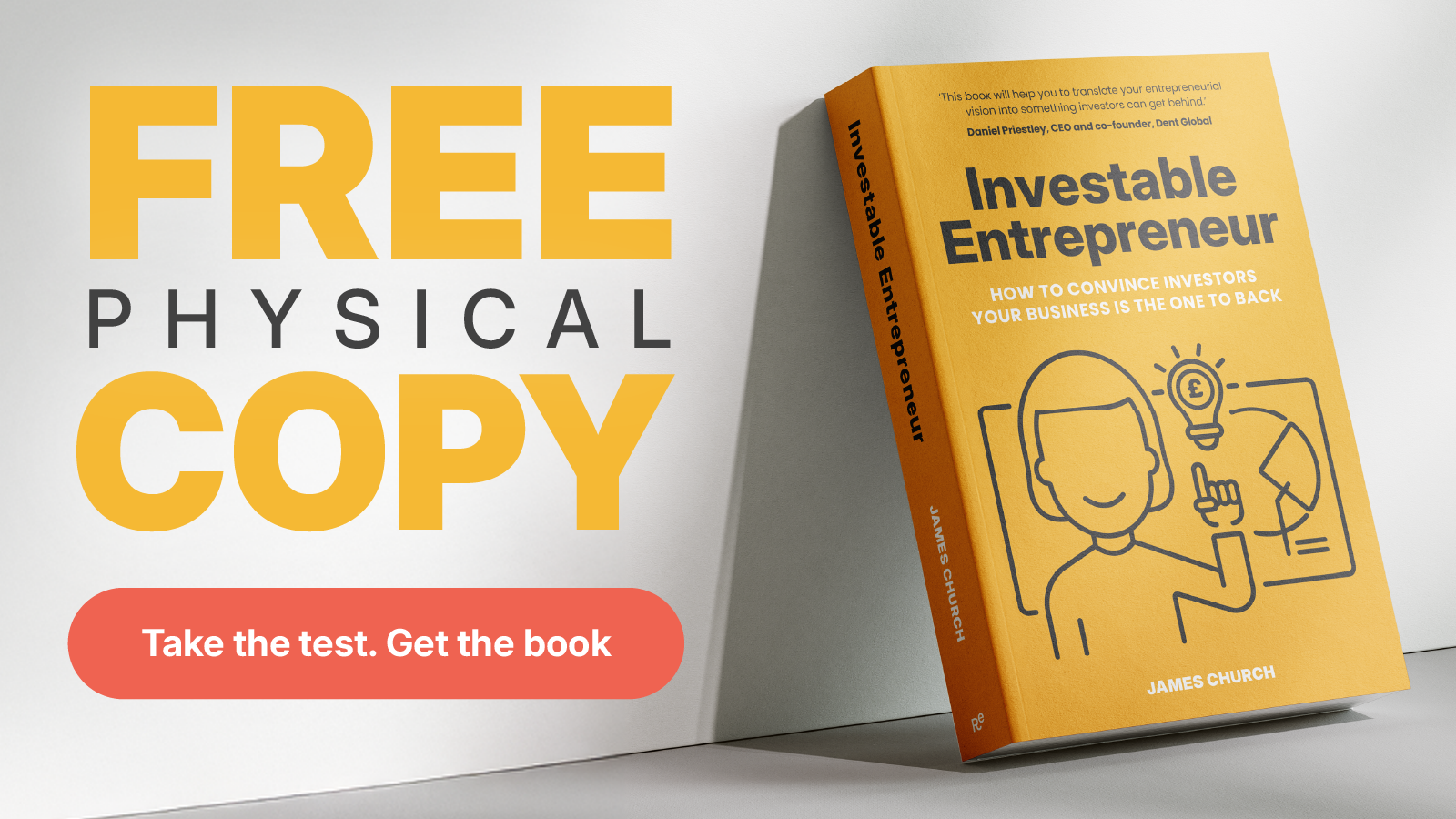
I wrote this book because I kept seeing the same problem. Founders with strong businesses were failing to raise investment, not because their idea was weak, but because they could not communicate it in a way that made investors confident. The book introduces the Six Principles of the Perfect Pitch – the same methodology my clients have used to raise over £200m in early-stage funding. If you are preparing to raise, this is the book to read before you pitch a single investor. And you can get a copy for free.
Reading widely is important. But knowledge without application does not raise investment.
The founders who raise successfully are not always the most widely read. They are the ones who understand how investor-ready their business actually is right now, and who use that understanding to focus their preparation on the right things.
Before you start pitching, I would recommend taking the two-minute investor readiness test. It is free, takes less than two minutes, and gives you an honest score of where your business currently stands against the criteria investors use to evaluate opportunities.
At the end of the test, you will also get a free copy of Investable Entrepreneur – so you can start applying the Six Principles of the Perfect Pitch straight away.
The best startup books for founders are those that provide practical ideas and frameworks for building, growing, and funding a business. The right book depends on the founder’s stage and the specific challenge they are trying to solve.
First-time founders should look for books covering customer validation, product-market fit, business models, leadership, startup growth, and fundraising. Choosing books based on your current business challenge is often more useful than simply reading the most popular titles.
The best startup fundraising books help founders understand investors, fundraising strategy, investor readiness, pitch preparation, and what makes a business investable.
Startup books can help founders learn from other entrepreneurs, understand common business challenges, and apply proven frameworks to their own companies. A useful book can also help founders make better decisions and avoid common mistakes.
There is no fixed number. A few highly relevant books that provide practical ideas you can apply to your business are often more valuable than reading many books without putting the lessons into practice.
Investable Entrepreneur is focused on helping founders understand what makes a startup investable and how to prepare for fundraising. It is particularly relevant for founders who want to improve their understanding of investors and the fundraising process.
If you have read Investable Entrepreneur and want to go further, I work directly with founders to build the pitch that gets them funded. Every engagement starts with a conversation about where you are in your fundraising journey and what you need to move forward.
Founders who work with me are 40 times more likely to raise successfully. If you are serious about your next round, let’s talk.